
Blog
In The AI Era, Social Proof Is Not Proof
The Shed at Dulwich became London's top-rated restaurant on TripAdvisor without being a real restaurant. In the AI era, credibility is the game, and rankings are signals, not proof.
Jul 13, 2026 • 6 min read
On this page
In the AI era, credibility is not claimed. It is verified.
That is the practical shift behind *B2B Marketing in the AI Era*: marketing is becoming less like a content factory and more like a credibility engine. Buyers form opinions earlier now, often through search, AI summaries, peer conversations, review sites, communities, and third-party sources before they ever talk to sales.
That does not mean every company needs more testimonials, more badges, more five-star reviews, or more claims scattered across the website. It means buyers and the AI systems assisting them are learning to ask a harder question: what evidence exists beyond the platform?
In that world, social proof is useful, but it is not enough. Proof has to travel with the claim. It has to be current, specific, permissioned, findable, and strong enough for a buyer to use internally.
That is the job of Proof Operations, or Proof Ops: managing proof like operating inventory instead of hunting it down deal by deal.
The Shed at Dulwich shows why this matters.
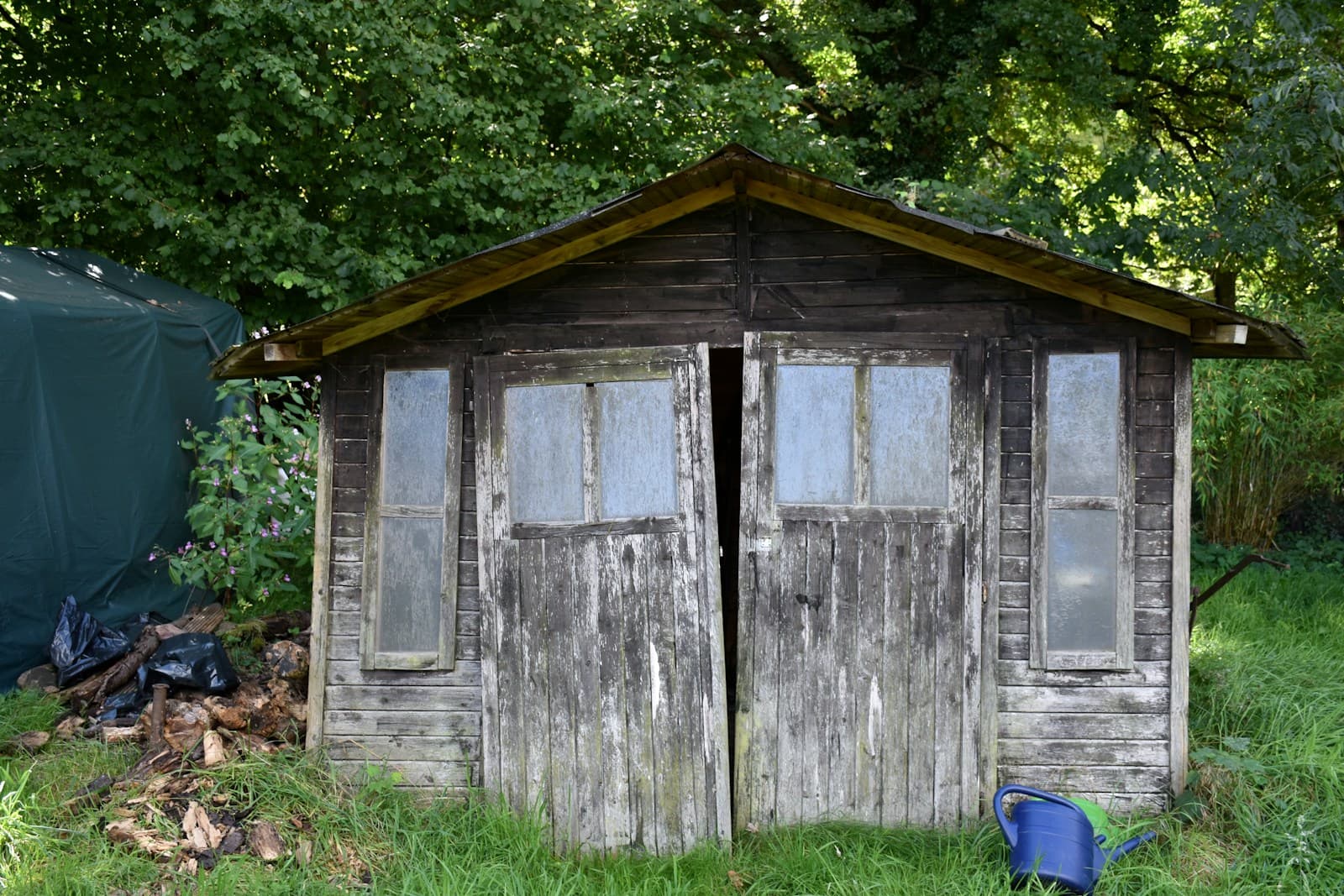
In 2017, writer Oobah Butler created a fake restaurant in a south London garden shed. He bought a burner phone, built a website, invented a menu, listed the restaurant as appointment-only, and submitted it to TripAdvisor like it was a real place waiting to be discovered.
The important detail is that Butler already understood the system. Years earlier, he had been paid to write fake restaurant reviews, so he had seen how a few believable signals could bend perception. A review did not need to prove that a meal happened. It only needed to sound plausible enough to become part of the pattern.
Once The Shed appeared on TripAdvisor, Butler layered the illusion carefully. Friends posted reviews over time. The menu sounded strange enough to feel exclusive. The address was vague enough to avoid inspection. And when people called for a reservation, they were told the same thing every desirable restaurant tells outsiders: fully booked.
There was no real restaurant, no normal service, and no earned reputation. Still, on November 1, 2017, The Shed at Dulwich became London's top-rated restaurant on TripAdvisor.
The Illusion Was Built Like A Funnel
The prank worked because Butler did not rely on one big lie. He built a system of small believable signals, and each one made the next one easier to accept:
- A real-looking website
- A fake but memorable menu built around "moods"
- Carefully staged food photography
- Positive reviews posted over time
- A burner phone
- A partial address
- Appointment-only positioning
- Constant scarcity
From a distance, the pattern did what proof is supposed to do. People saw reviews, ranking position, mystery, demand, and scarcity, then their brains filled in the missing restaurant.
That is how weak proof often works. It does not always look fake at first. It looks like enough surrounding evidence to stop asking harder questions.
Social Proof Is A Signal
Social proof is useful because buyers rarely want to make decisions in isolation. Reviews, rankings, testimonials, analyst mentions, awards, partner badges, case studies, community buzz, and marketplace scores all help people reduce uncertainty before they commit time, budget, or reputation.
But social proof has a weakness: it can become detached from the underlying evidence. A high rating can feel like proof even when it mostly proves that the platform has collected enough signals to generate confidence.
A high rating does not always tell you:
- Who left the review
- Whether they were a real customer
- Whether the result is recent
- Whether the experience matches your use case
- Whether the ranking system can be influenced
- Whether the claim survives outside the platform
That does not make every review suspicious, and it does not mean rankings are useless. It means a serious buyer should know what kind of evidence they are looking at. The platform signal is not the same thing as the operational truth.
Buyers Are Learning To Verify
The market has moved since The Shed at Dulwich, but the underlying problem has not gone away. Tripadvisor now publishes transparency reports about review fraud, including its 2025 report saying it safeguarded travelers from 2.7 million fraudulent reviews in 2024 and removed more than 214,000 reviews it believed contained AI-generated text.
Regulators have moved too. The FTC's Consumer Reviews and Testimonials Rule went into effect on October 21, 2024. It addresses fake, false, and deceptive reviews, and the FTC has said agencies, PR firms, review brokers, and reputation management companies can be liable when they create or sell fake reviews.
That matters because fake credibility is no longer just a brand risk. It is a trust, compliance, and revenue risk.
B2B Buyers Need Proof That Travels
In B2B, the problem is usually not as dramatic as one fake ranking. The more common problem is weaker and quieter: the company has social proof, but the proof does not answer the buyer's real risk questions.
A testimonial says the team was great, but the buyer needs to know whether implementation took three weeks or six months. A review says the platform is easy to use, but the buyer needs to know whether sales, marketing, finance, legal, and IT can all live with the operating model. An award says the company is a leader, but the buyer needs evidence that the product works in their environment, with their constraints, and with their internal politics.
That is where social proof has to become real proof. It has to move from broad credibility to specific buyer confidence.
What To Check Before Trusting A Ranking
Before trusting a ranking, ask one practical question: what evidence exists beyond the platform?
The strongest proof can survive inspection because it connects the claim to something a buyer can understand, verify, and use internally:
- Specific customer outcomes
- Named use cases
- Implementation details
- Before-and-after operating changes
- Security and procurement answers
- Customer stories with constraints, not only praise
- Fresh documentation
- Independent mentions from credible sources
- Consistent claims across the website, sales materials, and product experience
Strong companies do not need to manufacture credibility because the evidence is already there. The work is making it visible, current, and easy to verify.
Credibility Has To Be Operated
Attention still matters, but attention without credible proof creates fragile demand. If a buyer can discover you but cannot verify you, the motion slows down. If a champion likes the message but cannot defend it internally, the deal gets weaker. If your claims sound strong but the proof is scattered, stale, or hard to connect to the buyer's situation, the market has to do too much work on your behalf.
This is why Proof Ops is becoming a key discipline. A company should know which customer outcomes support which positioning points, which assets answer which objections, which proof is approved for public use, and which evidence is strong enough for sales, procurement, security, and executive review.
That is the difference between looking credible and being easy to verify.
The PlaybookM Takeaway
Marketing teams should not treat proof as decoration. Proof needs owners, dates, claims, permissions, context, and review cycles, because it should be managed like operating material rather than hunted down every time sales needs a slide.
In PlaybookM, that means connecting proof to the actual work where it gets used. A product launch might need customer outcomes for the launch page, an implementation example for sales follow-up, a security answer for procurement, and a comparison asset for buyers checking alternatives. Those should not live as disconnected files and Slack memories. They should be attached to the campaign, assigned to owners, reviewed for freshness, and visible before the team needs them.
Instead of letting social proof float around as loose credibility, the team can ask:
- Which claims are we making?
- Which proof supports each claim?
- Where is that proof used?
- Who owns it?
- Is it still current?
- Would it survive buyer scrutiny?
The Shed at Dulwich became famous because a fake restaurant learned how to look credible inside one platform. Real businesses have to do the harder thing: build a proof system that makes them credible outside the platform too.
Sources
- VICE: I Made My Shed the Top Rated Restaurant On TripAdvisor
- Tripadvisor: Transparency Report 2025
- FTC: Federal Trade Commission Announces Final Rule Banning Fake Reviews and Testimonials
- FTC: The Consumer Reviews and Testimonials Rule: Questions and Answers
- Bill Carney: *B2B Marketing in the AI Era*
Photo by Ries Bosch on Unsplash